
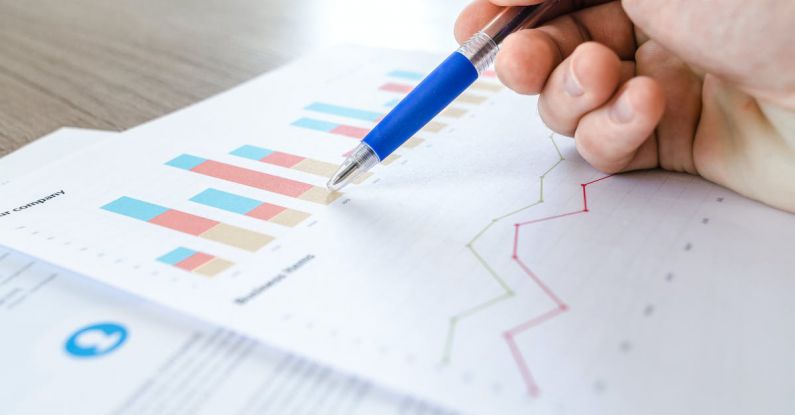
In today’s data-driven world, businesses have access to vast amounts of information that can be used to drive decision-making and optimize their sales strategies. Data analytics is the process of analyzing and interpreting this data to gain insights and make informed decisions. By leveraging data analytics techniques, businesses can gain a competitive edge and improve their sales performance. In this article, we will explore how businesses can effectively use data analytics for sales strategy optimization.
Understanding Customer Behavior
One of the key benefits of data analytics in sales strategy optimization is the ability to gain a deeper understanding of customer behavior. By analyzing customer data such as purchase history, browsing patterns, and demographics, businesses can identify trends and patterns that can help them tailor their sales strategies to meet customer needs. For example, data analytics can reveal which products are most commonly purchased together, allowing businesses to create targeted cross-selling or upselling campaigns.
Segmentation and Targeting
Data analytics also enables businesses to segment their customer base and target specific groups with tailored sales strategies. By dividing customers into segments based on characteristics such as age, location, or buying behavior, businesses can create personalized marketing campaigns that resonate with each segment. This targeted approach can significantly improve the effectiveness of sales strategies and increase conversion rates.
Pricing Optimization
Another way data analytics can be used to optimize sales strategies is through pricing optimization. By analyzing data on customer behavior, market trends, and competitor pricing, businesses can identify the optimal price points for their products or services. This can help businesses maximize their revenue and profitability while remaining competitive in the market. Data analytics can also help businesses identify pricing patterns and trends, enabling them to adjust their pricing strategies in real-time to capitalize on market fluctuations.
Sales Forecasting
Data analytics can also be used for sales forecasting, allowing businesses to predict future sales volumes and trends. By analyzing historical sales data, market trends, and external factors such as seasonality or economic conditions, businesses can make accurate predictions about future sales. This information can then be used to optimize sales strategies, allocate resources effectively, and plan for future growth.
Identifying Sales Opportunities
Data analytics can help businesses identify untapped sales opportunities and areas for growth. By analyzing customer data, businesses can identify potential customers who are most likely to convert and target them with relevant sales strategies. Additionally, data analytics can help businesses identify gaps in their product offerings or areas where they are underperforming, allowing them to make strategic adjustments to improve sales performance.
Continuous Improvement
Finally, data analytics enables businesses to continuously monitor and evaluate the effectiveness of their sales strategies. By tracking key performance indicators (KPIs) such as conversion rates, customer acquisition costs, or customer lifetime value, businesses can identify areas for improvement and make data-driven decisions. This iterative process of analyzing data, implementing changes, and measuring results allows businesses to continuously optimize their sales strategies for maximum effectiveness.
Conclusion: Leveraging Data Analytics for Sales Strategy Optimization
In conclusion, data analytics can play a crucial role in optimizing sales strategies and driving business growth. By leveraging the power of data, businesses can gain valuable insights into customer behavior, segment their customer base, optimize pricing strategies, forecast sales, identify sales opportunities, and continuously improve their sales performance. In today’s competitive business landscape, harnessing the power of data analytics is no longer a luxury but a necessity for businesses to thrive.